An industrial air scrubber may be running throughout the working day, but that does not necessarily mean every component is performing correctly. A circulation pump could be losing efficiency, spray nozzles may be partially blocked, or deposits could be building up inside the scrubber.
For industrial facilities, these problems can affect exhaust treatment and lead to unexpected maintenance work.
Understanding what air scrubber preventive maintenance in Singapore involves helps facility managers plan servicing, evaluate equipment condition, and address developing problems before they become more serious.
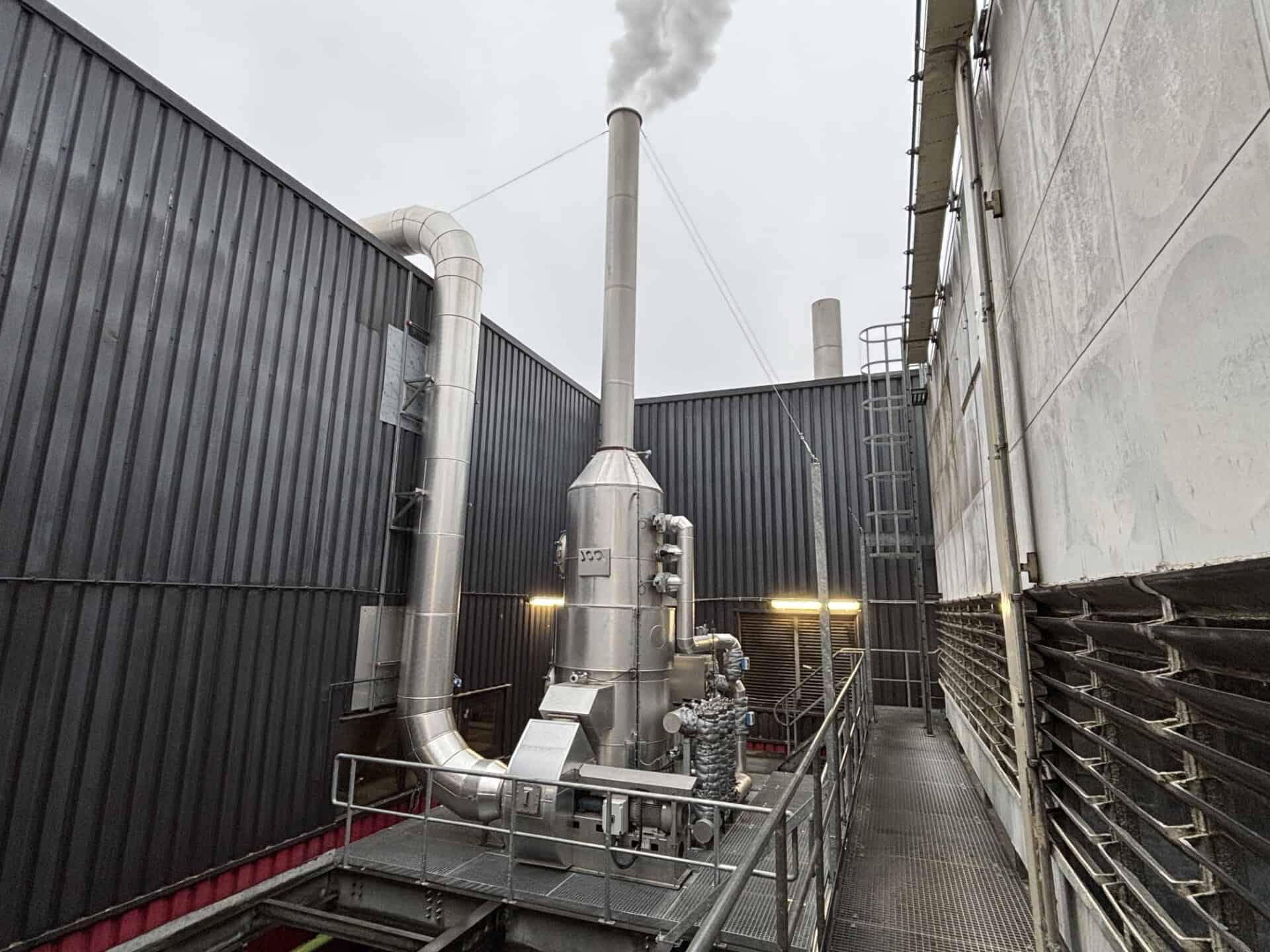
What Happens Before Air Scrubber Maintenance Begins?
A maintenance visit should begin with understanding the equipment and its operating conditions.
Technicians may review previous service records, reported faults, operating readings, and the scrubber’s maintenance instructions.
They also need to identify the scrubber type, whether it uses a packed bed, spray tower, or another arrangement.
Before physical inspection or cleaning, appropriate isolation and workplace safety procedures must be followed. This is particularly important where chemical solutions, rotating machinery, electrical equipment, or confined spaces are involved.
Which Components Are Checked During Preventive Maintenance?
An industrial wet scrubber contains several mechanical and process components that work together. Maintenance requirements depend on the system’s design and operating environment.
1. Circulation Pumps and Motors
The circulation pump moves scrubbing liquid through the system. If it develops mechanical problems, liquid delivery to the scrubber may be affected.
Typical checks include:
- Pump vibration and abnormal noise
- Mechanical seal leakage
- Bearing and motor condition
- Pipe connections and visible leaks
- Available operating pressure readings
Where necessary, technicians may recommend mechanical repairs or component replacement.
2. Spray Nozzles and Liquid Distribution
Spray nozzles distribute scrubbing liquid inside the scrubber.
Deposits, scaling, or blockages can interfere with the intended spray pattern and reduce effective contact between the liquid and exhaust gas.
Maintenance may include inspecting nozzle condition, identifying blockages, and cleaning accessible components using methods suitable for the equipment.
For related performance concerns, read Is Your Industrial Air Scrubber System Operating Efficiently? to understand why overall scrubber operation deserves attention beyond individual components.
3. Packing Media and Mist Eliminators
Packed bed scrubbers use packing materials to increase contact between exhaust gas and scrubbing liquid.
Over time, deposits can accumulate on these surfaces.
Maintenance may involve inspecting packing for fouling, scaling, deterioration, or blockage.
Mist eliminators also require attention because accumulated deposits can restrict airflow or interfere with droplet separation.
Cleaning or replacement should depend on the condition of the components and the manufacturer’s recommendations.
Does Preventive Maintenance Include the Exhaust Fan?
Yes, where the exhaust fan forms part of the agreed maintenance scope.
The fan moves contaminated air through the scrubber and toward the designated exhaust outlet. Its operating condition can influence the performance of the wider system.
Technicians may inspect bearings, vibration, unusual noise, mounting condition, and accessible airflow-related components.
Duct connections may also be checked for visible deterioration or leakage.
Our related article, Why Does an Industrial Exhaust System Lose Airflow After Scrubber Installation? explores how exhaust system conditions can affect airflow.
What Operating Readings Should Be Reviewed?
Physical cleaning is only one part of preventive maintenance. Operating readings help technicians understand whether the scrubber is functioning within its intended parameters.
Depending on the installation, relevant measurements may include:
| Operating parameter | Why it matters |
| Differential pressure | Helps identify changes in resistance through the scrubber |
| Liquid flow or pressure | Indicates whether circulation and distribution conditions are suitable |
| Scrubbing liquid pH | Helps assess liquid chemistry where chemical treatment is used |
| Tank water level | Supports reliable liquid circulation |
| Fan and pump condition | Helps identify abnormal mechanical operation |
Not every scrubber has the same instruments or operating limits. Readings should be compared with the equipment’s design requirements and available historical records.
What Happens After the Inspection?
Once inspections and approved servicing activities are completed, the maintenance team should document its findings.
A useful service report may identify components inspected, cleaning performed, abnormal readings, mechanical defects, and recommended corrective work.
Where safe and appropriate, operational checks can help verify that serviced equipment is functioning as intended.
However, routine mechanical servicing should not be presented as proof that the scrubber meets every applicable emissions limit.
For a broader maintenance perspective, see How Can Preventive Maintenance Support Industrial Air Pollution Control Equipment?
How Often Should Industrial Air Scrubbers Be Serviced in Singapore?
Servicing frequency should consider operating hours, pollutant characteristics, scrubbing liquid conditions, manufacturer recommendations, equipment condition, and any applicable approval requirements.
Under Section 10 of Singapore’s Environmental Protection and Management Act 1999, occupiers must maintain installed air pollution control equipment in an efficient condition and ensure it operates properly whenever the relevant industrial plant or fuel-burning equipment is used.
Facilities must also consider applicable emission standards and site-specific conditions. Maintenance should therefore be planned around actual operational requirements rather than an assumed universal schedule.
Conclusion
Industrial air scrubber preventive maintenance involves more than cleaning the scrubber tower. It can include circulation pump servicing, spray nozzle inspection, packing and mist eliminator cleaning, exhaust fan checks, operating measurements, and maintenance reporting.
A properly planned service helps facility managers understand equipment condition and identify work that needs attention.
Techtimia Engineering Pte. Ltd provides industrial air scrubber preventive maintenance support, pump servicing, exhaust fan inspection, ductwork services, and mechanical troubleshooting in Singapore, subject to technical assessment and agreed project scope.
Contact us today to discuss your industrial scrubber maintenance requirements and arrange a site assessment.