

1. What is an industrial scrubber?
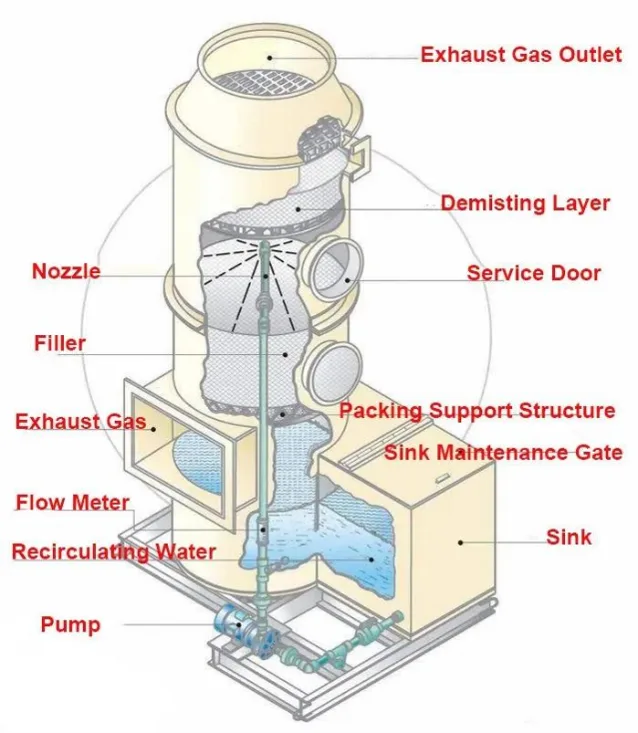
It uses a liquid, commonly water or a specially selected chemical solution, to capture, absorb or neutralise pollutants from exhaust air.
Industrial scrubbers are widely used in manufacturing plants, chemical processing facilities, industrial kitchens and other applications where exhaust air requires treatment.
A properly selected and maintained scrubber can help reduce air pollutants, control odours and support compliance with applicable environmental requirements.
2. How does an industrial scrubber work?
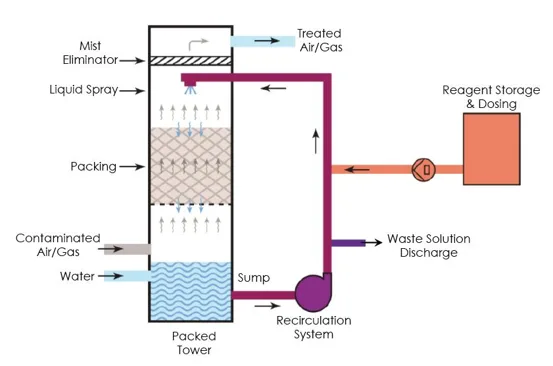
The basic working process involves:
- Exhaust air collection: Contaminated air is extracted from the industrial process through an exhaust duct system.
- Gas entry: The exhaust gases enter the scrubber tower.
- Liquid circulation: Water or chemical scrubbing liquid is circulated through spray nozzles or packing media.
- Pollutant removal: Contaminants transfer into the liquid through absorption, chemical reaction or physical capture.
- Mist elimination: A mist eliminator removes entrained liquid droplets from the treated gas.
- Exhaust discharge: Treated air passes through the outlet duct and is discharged through the designated exhaust stack.
The scrubbing liquid is collected and recirculated where the system design permits. Water quality, chemical concentration and liquid circulation must be monitored.
3. Types of industrial scrubbers
A. Packed Bed Scrubber
Uses packing materials to increase the contact area between exhaust gas and scrubbing liquid.
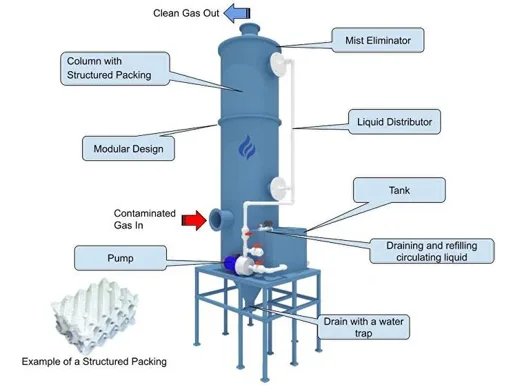
- Suitable for certain soluble gases and chemical fumes.
- Common in chemical processing applications.
- Requires monitoring for packing blockage and scaling.
B. Venturi Scrubber
Uses high-velocity gas flow to atomise liquid into fine droplets, capturing particulate matter.
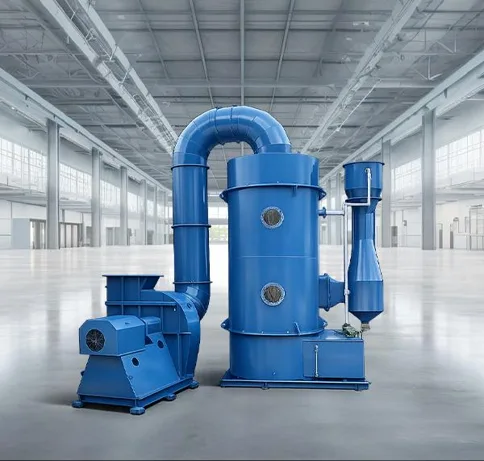
- Suitable for fine dust and particulate removal.
- Requires suitable pressure and airflow.
- Higher pressure drop compared with some other scrubber types.
C. Spray Tower Scrubber
Uses spray nozzles to bring the exhaust gas into contact with scrubbing liquid.
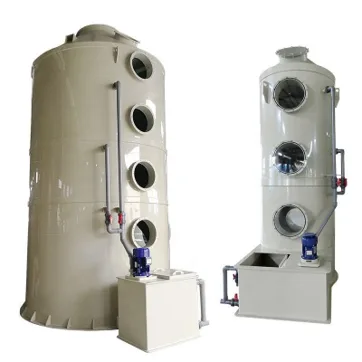
- Relatively simple construction.
- Suitable for selected gas absorption applications.
- Nozzle condition and spray distribution are important.
4. Industrial applications
- Chemical and pharmaceutical manufacturing.
- Food processing and production facilities.
- Metal fabrication and surface treatment.
- Industrial exhaust and ventilation systems.
- Manufacturing plants producing chemical fumes.
- Odour control and selected process exhaust applications.
5. Common scrubber maintenance requirements
Regular maintenance is necessary to maintain the performance of an industrial scrubber.
- Component: Maintenance requirements
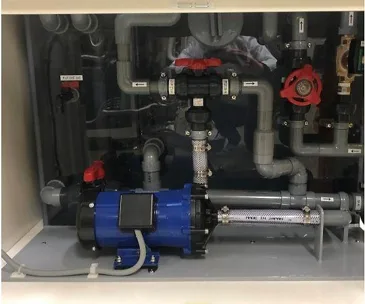
- Circulation pump: Check vibration, leakage and motor condition
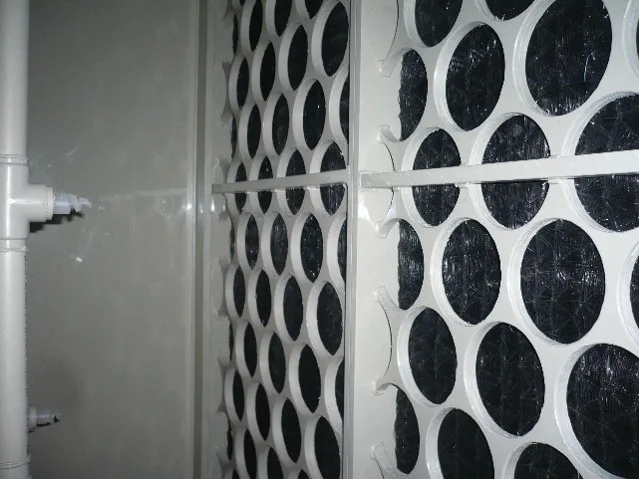
- Spray nozzles: Inspect blockage and spray distribution
- Packing media: Inspect scaling, fouling and blockage
- Mist eliminator: Inspect and clean accumulated deposits
- Water tank: Check water level and cleanliness
- Piping and valves: Check leakage, corrosion and blockage
- Instruments: Check pressure, flow and pH readings where applicable
- Exhaust fan: Check bearings, vibration and airflow
Common warning signs:
- Reduced exhaust airflow.
- Increasing differential pressure.
- Poor odour removal.
- Blocked spray nozzles.
- Unusual pump vibration or leakage.
- Abnormal scrubbing liquid pH or consumption.
6. Singapore environmental compliance
Under Section 10 of the Environmental Protection and Management Act 1999, occupiers must maintain air pollution control equipment in an efficient condition and ensure it operates properly whenever the industrial plant is being used.
The applicable emission standards and any site-specific approval conditions must also be considered when selecting and maintaining a scrubber system.
Why choose TECHTIMIA Engineering?
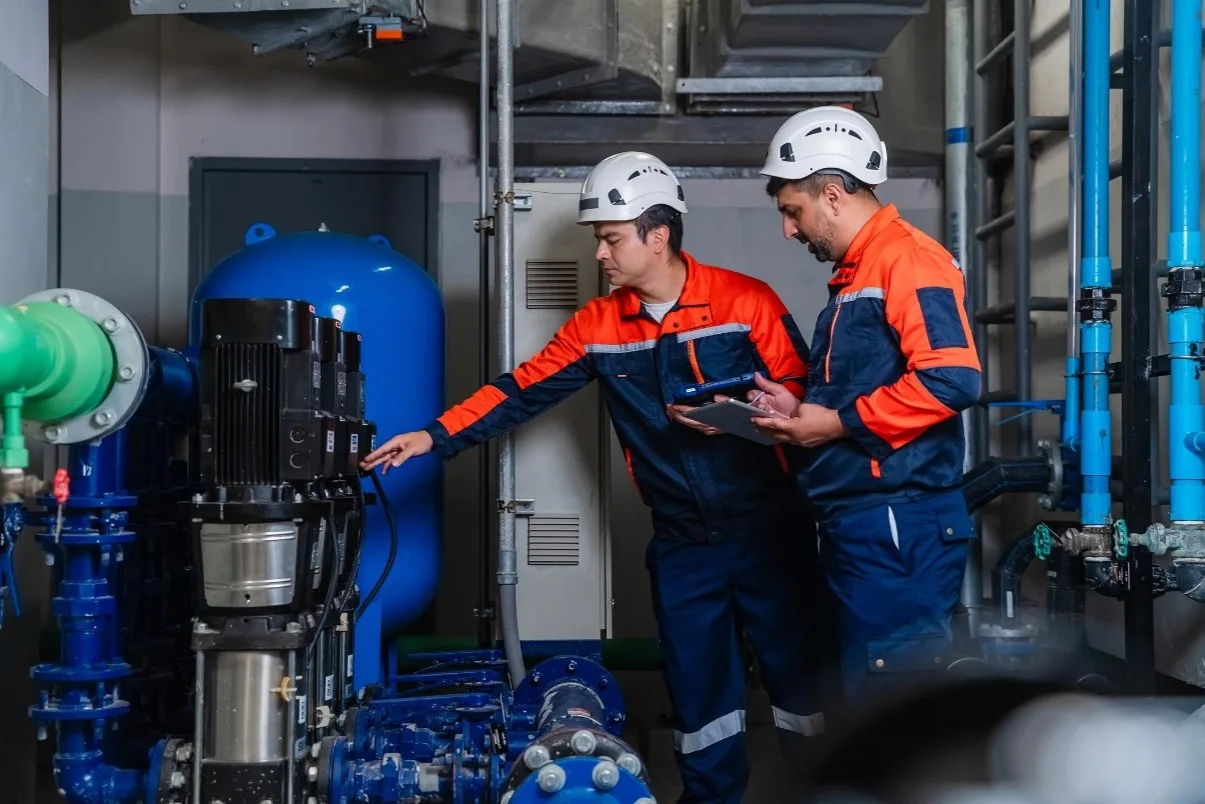
At TECHTIMIA Engineering Pte Ltd, we provide engineering and maintenance support for industrial ventilation, exhaust and mechanical systems.
Our related engineering services include:
- Industrial exhaust fan inspection and servicing.
- Exhaust ductwork installation and modification.
- Industrial pump servicing and maintenance.
- Ventilation system inspection.
- Mechanical equipment troubleshooting.
- Preventive maintenance support.
- Industrial scrubber system maintenance support, subject to project scope and technical assessment.
We focus on practical engineering solutions to help building owners, facility managers and industrial operators maintain their mechanical systems.
Need industrial scrubber or exhaust system maintenance support in Singapore?