

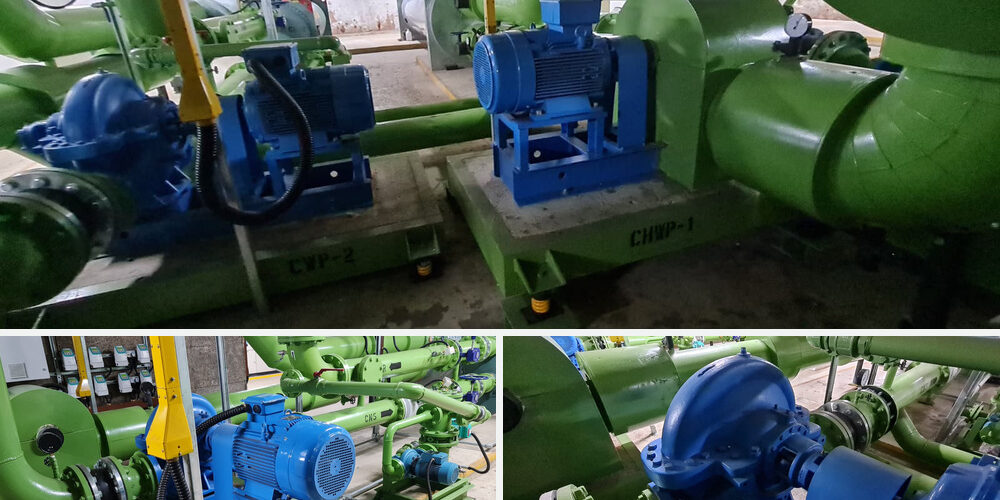
A fire protection system needs sufficient water pressure to operate when required. However, maintaining that pressure during normal conditions and delivering water during a fire are two different jobs.
This is where fire pumps and jockey pumps come in. Although both may be installed within the same fire protection system, they serve different purposes.
Understanding these differences helps facility managers recognize operational problems, plan maintenance, and determine when professional fire pump servicing in Singapore may be necessary.
What Does a Main Fire Pump Actually Do?
For example, when a sprinkler activates, water begins flowing through the system. The resulting pressure change can trigger the main fire pump according to the installed control arrangement.
Main fire pumps are designed to support substantial firefighting water demand. Depending on the installation, they may be driven by electric motors or diesel engines.
Their purpose is not simply to maintain normal pipework pressure. They must deliver the required performance under the system’s designed operating conditions.
For more information about different pump arrangements, read our guide, Electric vs Diesel Fire Pumps: What Are the Maintenance Differences?
What Is a Jockey Pump and Why Is It Needed?
Small pressure losses can occur because of minor leakage, temperature changes, or other system conditions. Without pressure maintenance, these fluctuations could unnecessarily activate the main fire pump.
A jockey pump responds to smaller pressure drops within its designed operating range.
Once the required pressure is restored, the jockey pump normally stops automatically.
However, it is not designed to replace the main fire pump or provide the full water flow required during a fire.
Fire Pump vs Jockey Pump: Key Differences
| Feature | Main Fire Pump | Jockey Pump |
| Primary function | Supplies firefighting water flow and pressure | Maintains normal system pressure |
| Typical capacity | Designed for substantial fire protection demand | Designed for relatively small pressure losses |
| Starting condition | Starts when system demand reaches its configured activation condition | Starts when pressure falls to its configured cut-in setting |
| Normal operation | Generally remains on standby until required or tested | May operate periodically to restore pressure |
| Main concern | Failure to provide required flow or pressure | Excessive cycling or inability to maintain pressure |
The actual operating sequence and control settings depend on the approved system design.
Can a Jockey Pump Prevent the Main Fire Pump From Starting?
However, it should not prevent the main fire pump from starting when genuine firefighting demand occurs.
For example, if a sprinkler activates, the water demand will generally exceed the jockey pump’s intended capacity. System pressure then falls toward the main fire pump’s activation setting.
Incorrect pressure settings, faulty switches, or inappropriate pump sizing can interfere with this sequence.
For this reason, pressure-control adjustments should be handled by qualified personnel familiar with the installation.
Why Do These Pumps Need Different Maintenance Checks?
Main fire pump maintenance may involve checking:
- Pump and motor operating condition
- Suction and discharge pressure readings
- Mechanical seals, bearings, and couplings
- Abnormal vibration, noise, and leakage
- Starting arrangements and associated controls
Jockey pump maintenance may involve checking:
- Pressure switch operation
- Cut-in and cut-out settings
- Frequent starting and stopping
- Mechanical seal leakage
- Pipe connections and associated valves
A jockey pump that repeatedly starts may indicate a pressure-control issue or leakage elsewhere in the system.
Similarly, a main fire pump that produces unusual vibration may require mechanical investigation.
Our article What Are the Signs That Your Commercial Water Pump Needs Servicing? explains additional mechanical warning signs that maintenance teams should recognize.
What Happens If One Pump Stops Working?
If a jockey pump fails, normal pressure maintenance may be affected. This can lead to pressure fluctuations or unnecessary operation of the main fire pump.
If the main fire pump fails, the fire protection system may be unable to deliver its required water flow or pressure during an emergency.
Neither situation should be ignored.
Professional jockey pump repair in Singapore may involve pressure-control troubleshooting, seal replacement, or investigation of repeated cycling.
Meanwhile, fire pump repair in Singapore may require mechanical inspection, component replacement, and appropriate operational verification.
Any impairment affecting fire protection readiness should be promptly escalated to the building’s appointed fire safety personnel.
What Do Singapore Fire Safety Requirements Say?
For example, SCDF Fire Code Clause 6.4 requires sprinkler systems, including their associated water supply, controls, and testing arrangements, to comply with SS CP 52.
Additionally, Clause 1.2.3 requires installed fire protection systems to be maintained according to applicable codes and standards.
Facility managers should follow the building’s approved maintenance documentation and coordinate statutory fire protection testing with appropriately qualified personnel.
When Should You Arrange Professional Pump Servicing?
For jockey pump servicing in Singapore, technicians may investigate pressure switches, pump components, and possible system leakage.
For fire pump maintenance in Singapore, attention should also be given to mechanical condition, starting reliability, and the ability to meet the required operating performance.
If extensive damage is identified, our guide What Is the Difference Between Commercial Water Pump Repair and Pump Overhaul? provides useful background on evaluating mechanical repair options.
Conclusion
Both contribute to reliable fire protection operation, but their maintenance requirements and potential faults are different.
1 Comment