Electric and diesel-driven fire pumps serve the same essential purpose: supplying water at the required pressure and flow during a fire emergency. However, the equipment that powers them is very different.
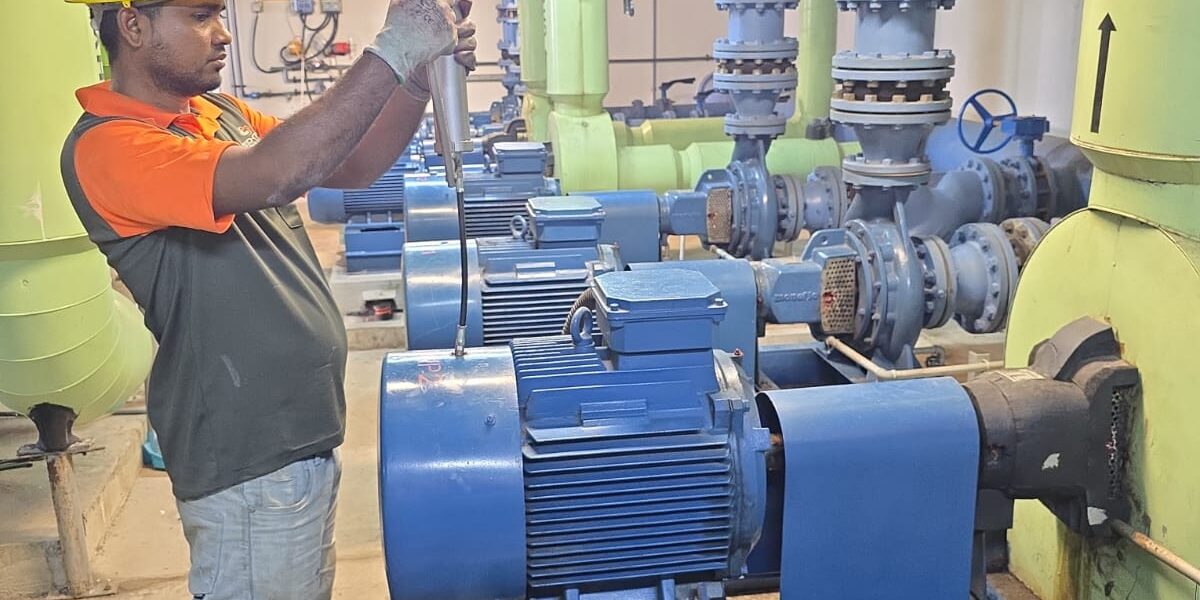
An electric fire pump relies on an electric motor and a suitable power supply. A diesel fire pump uses an engine with its own fuel, lubrication, cooling, and starting systems.
These differences affect how each pump is inspected, serviced, and repaired. For facility managers arranging fire pump servicing in Singapore, understanding them helps ensure that maintenance covers more than the pump’s mechanical components.
Why Does the Type of Fire Pump Matter for Maintenance?
However, their driving systems introduce different maintenance requirements.
An electric pump depends on electrical supply arrangements, motor condition, and associated controls. A diesel-driven pump also requires attention to engine starting, batteries, fuel delivery, lubrication, and cooling.
This means fire pump system maintenance should reflect the installed equipment rather than follow an identical checklist for every pump.
Electric vs Diesel Fire Pump Maintenance: Key Differences
| Maintenance area | Electric fire pump | Diesel fire pump |
| Power source | Electrical supply and associated power arrangements | Diesel fuel and engine |
| Starting system | Electrical motor starter and controls | Engine starter, batteries, and controls |
| Cooling | Motor cooling arrangement | Engine cooling system |
| Routine inspections | Motor, electrical connections, controls, and mechanical components | Engine, fuel, batteries, cooling, lubrication, and mechanical components |
| Common concerns | Supply faults, winding problems, and motor overheating | Starting failure, fuel problems, and engine-related faults |
| Mechanical servicing | Bearings, seals, couplings, and alignment | Bearings, seals, couplings, and alignment, plus engine servicing |
These are general differences. Actual maintenance requirements depend on the pump model, manufacturer, applicable standards, and approved installation.
What Needs Attention During Electric Fire Pump Servicing?
However, reliable electrical operation is critical.
During servicing, qualified personnel may examine:
- Motor operating condition and abnormal heating
- Electrical supply and associated controls
- Unusual vibration or noise
- Pump coupling and alignment
- Mechanical seals and bearings
- Available pressure and operating readings
Electrical problems should be investigated by appropriately qualified personnel.
For example, an overheated motor may indicate excessive mechanical load, unsuitable supply conditions, or deteriorated components.
Our related article, What Causes an Electric Fire Pump Motor to Overheat?, explains these possible causes in greater detail.
Why Does a Diesel Fire Pump Need Additional Maintenance?
Fuel System
Batteries and Starting Arrangements
Lubrication and Cooling
Low oil levels, lubrication problems, or inadequate cooling can damage the engine.
Engine Operating Condition
These additional components make diesel fire pump maintenance different from routine electric motor servicing.
Do Electric and Diesel Fire Pumps Have Different Backup Power Requirements?
Under Singapore’s SCDF Fire Code 2023, Clause 5.2, sprinkler and wet rising main systems must comply with their respective electrical supply requirements.
For applicable installations, secondary power may be provided through an emergency generator or an appropriately arranged diesel-driven duplicate pump.
However, diesel pumps should not automatically be considered a substitute for every electrical backup requirement.
The approved fire protection design determines the required arrangement.
What Maintenance Tasks Are Common to Both Pump Types?
Common inspection areas include pump seals, bearings, couplings, alignment, leakage, vibration, and operating pressure.
When mechanical components become worn, technicians may need to dismantle the pump, inspect internal parts, and recommend repair or replacement.
Our article What Is the Difference Between Commercial Water Pump Repair and Pump Overhaul? provides further information about mechanical repair decisions.
For fire protection installations, any repair must also be coordinated with the responsible fire safety personnel and followed by appropriate verification.
How Should Singapore Facilities Plan Maintenance?
The building’s Fire Safety Instruction Manual should document the relevant maintenance requirements.
Facility managers should therefore confirm:
- The installed pump type and manufacturer
- Applicable maintenance and testing requirements
- Required mechanical and engine-related inspections
- Responsibility for statutory fire protection testing
- Procedures for reporting and addressing defects
Professional fire pump maintenance in Singapore should follow these requirements rather than relying on a generic servicing schedule.
For additional context, see What Are the Benefits of Monthly and Quarterly Pump Maintenance Services in Singapore? The general maintenance principles are useful, but fire pump testing intervals must follow the applicable fire protection requirements.
When Is Professional Fire Pump Repair Necessary?
Electric pumps may require specialist motor or electrical investigation, while diesel pumps may need engine-related troubleshooting.
When arranging fire pump repair in Singapore, facility managers should ensure that the contractor’s scope matches the identified problem and that any required fire protection testing is properly coordinated.
Conclusion
Electric pumps require attention to motors and electrical supply arrangements, while diesel pumps also need fuel, battery, lubrication, cooling, and engine inspections. Both require reliable mechanical operation and appropriate testing.