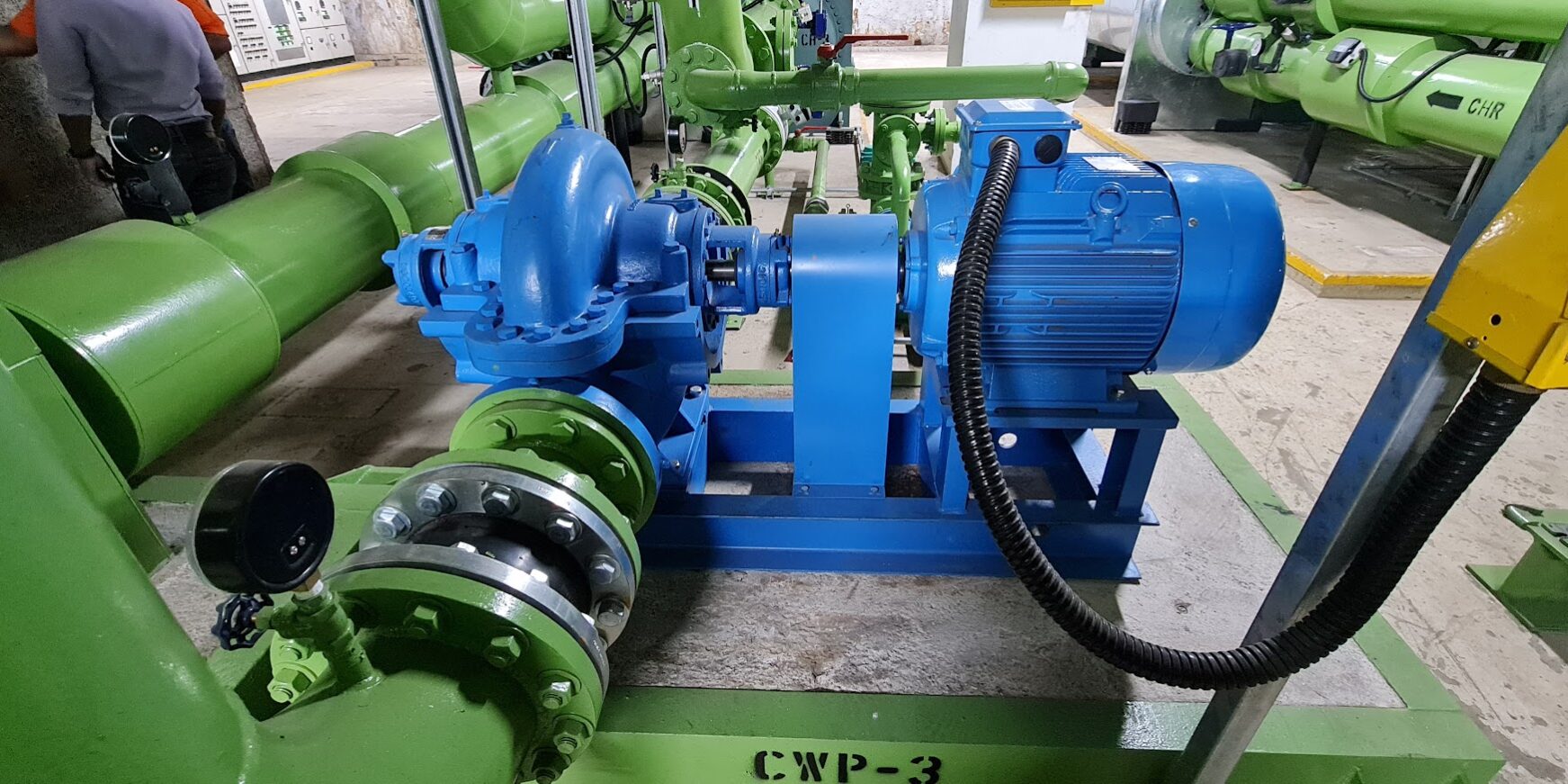
Not every commercial building requires the same maintenance schedule.
A hotel with constant water demand will have different requirements from a warehouse, office building, or industrial facility. This is why many property owners and facility managers choose either monthly or quarterly maintenance plans based on how their pump systems operate.
The right maintenance frequency helps reduce unexpected failures, improve reliability, and protect the investment made in the pump system.
Why is Pump Maintenance Scheduled Rather Than Reactive?
Waiting for a pump to fail is usually the most expensive approach.
Unexpected breakdowns can affect water pressure, building operations, tenant satisfaction, and maintenance budgets. Planned water pump maintenance in Singapore helps identify wear and performance issues before they become major problems.
Regular servicing is often more cost-effective than emergency callouts and unplanned downtime.
What Happens During a Typical Maintenance Visit?
A maintenance visit is not simply a visual inspection.
Technicians may check:
- Motor performance
- Bearings and seals
- Vibration levels
- Pressure readings
- Electrical connections
- Pump controls
- Leakage and corrosion
- General operating condition
These checks help ensure the system continues operating safely and efficiently.
What Are the Benefits of Monthly Pump Maintenance?
Monthly servicing is often suitable for facilities where pumps operate continuously or support critical services.
Examples include:
- Hotels
- Hospitals
- Manufacturing facilities
- Shopping centres
- High-rise commercial buildings
The main advantage is early fault detection. Small issues can be identified before they develop into costly repairs.
Monthly inspections also help maintain consistent performance throughout the year, particularly in systems that experience heavy daily use.
When Is Quarterly Maintenance a Good Option?
Quarterly maintenance is often sufficient for systems with lighter operating demands.
Many office buildings, educational facilities, and lower-demand commercial properties choose quarterly servicing because it balances reliability with maintenance costs.
The key is ensuring the maintenance schedule matches the actual workload of the pump system rather than following a generic timetable.
Can Regular Maintenance Reduce Repair Costs?
In many cases, yes.
Routine inspections often identify worn components before they fail completely. Replacing a seal or bearing early is typically less expensive than dealing with a major breakdown.
This is one reason many businesses invest in water pump maintenance instead of relying solely on reactive water pump repair services.
If repairs are becoming more frequent, readers may also find value in what are the signs that your commercial water pump needs servicing?
How Does Maintenance Help Extend Pump Life?
Pumps experience natural wear over time.
Without regular servicing, small problems can accelerate deterioration and shorten equipment lifespan. Proper maintenance helps keep components operating within their intended parameters.
For businesses managing ageing equipment, how does commercial pump overhauling extend the life of pumps? provides additional insight into long-term asset management.
Does Maintenance Improve Energy Efficiency?
A poorly maintained pump may still function, but it often operates less efficiently.
Blocked components, worn parts, incorrect pressure settings, and excessive vibration can increase energy consumption. Regular servicing helps ensure the pump performs as intended.
This aligns with Singapore’s wider focus on improving building efficiency and system performance.
Can Maintenance Help Identify When a Pump Needs Replacing?
Absolutely.
One benefit of ongoing maintenance is that it provides a clear picture of equipment condition over time.
Rather than waiting for complete failure, facility managers can plan upgrades and replacements strategically. This can be especially useful when considering future water pump installations in Singapore for building expansion or system modernisation.
Businesses planning upgrades may also benefit from reading how to choose the right commercial water pump system for commercial buildings?
What About Repair Versus Overhaul?
Not every issue requires a new pump.
Some problems can be resolved through repair, while others may justify a more comprehensive overhaul. Understanding the difference helps building owners make better financial decisions.
For a deeper explanation, consider linking to what is the difference between commercial water pump repair and pump overhaul?
Which Maintenance Schedule Is Best?
There is no single answer for every building.
Monthly maintenance is generally better for high-demand or mission-critical systems. Quarterly maintenance may be suitable for facilities with lighter usage patterns.
The best schedule depends on:
- Operating hours
- Building type
- Water demand
- Equipment age
- Previous maintenance history
A professional assessment can help determine the most appropriate maintenance plan.
Final Thoughts
Monthly and quarterly maintenance programmes both play an important role in protecting commercial pump systems.
The right schedule helps reduce unexpected failures, improve reliability, control repair costs, and support long-term equipment performance. For many businesses in Singapore, preventive maintenance is one of the simplest ways to avoid costly operational disruptions.
Conclusion
Whether your facility requires monthly inspections or quarterly servicing, a structured maintenance plan helps keep pumps operating efficiently and reliably.
Techtimia Engineering Pte. Ltd provides commercial pump maintenance, repair, overhaul, supply, and installation services across Singapore. Get in touch to discuss the right maintenance programme for your facility.