Choosing the right water pump system is an important decision for commercial buildings in Singapore. From office towers and hotels to industrial facilities and shopping centres, pumps are responsible for delivering consistent water pressure and supporting essential building operations.
A poorly selected pump can lead to frequent breakdowns, inefficient energy use, and costly repairs. Understanding the factors that influence pump selection helps building owners and facility managers choose a system that performs reliably over time.
Why Pump Selection Matters in Commercial Buildings
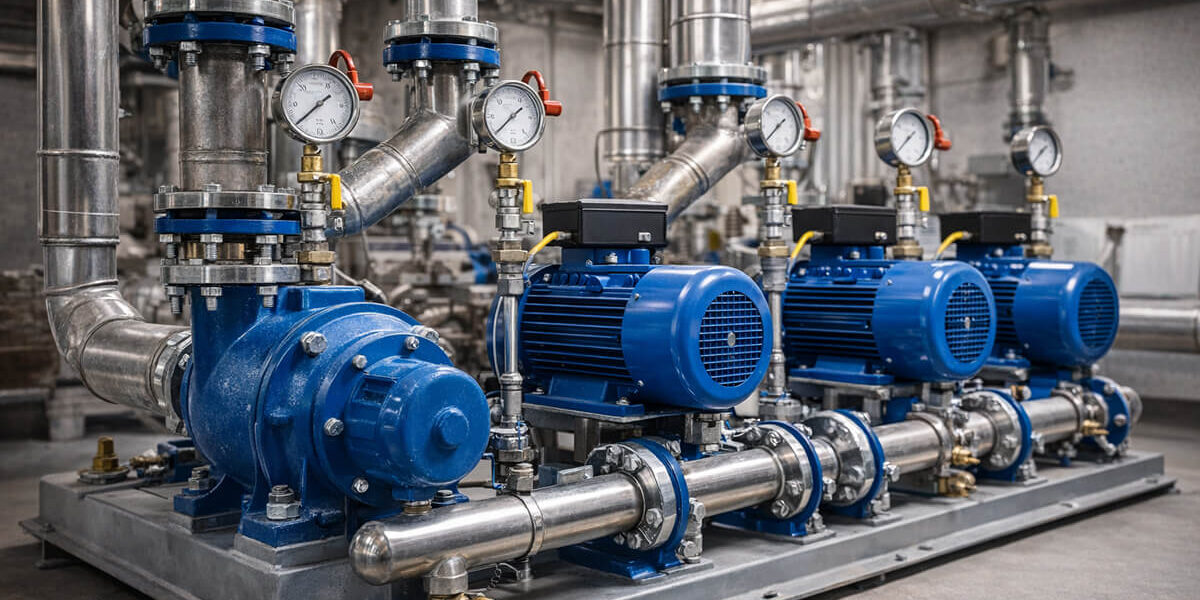
Water pumps operate continuously in many commercial properties. They supply water to multiple floors, support cooling systems, and maintain pressure across large plumbing networks.
Selecting the correct pump system helps ensure:
- Reliable water pressure across the building
- Efficient energy consumption
- Lower maintenance requirements
- Longer equipment lifespan
When installed correctly and supported with routine water pumps maintenance in Singapore, pumps can operate efficiently for many years.
What Types of Commercial Water Pump Systems Are Common?
Commercial buildings in Singapore typically use several types of pump systems depending on their needs.
Booster Pump Systems
Commercial buildings in Singapore typically use several types of pump systems depending on their needs.
Transfer Pumps
Transfer pumps move water between storage tanks, such as from underground reservoirs to rooftop tanks.
Circulation Pumps
These pumps circulate water within HVAC or cooling systems.
Each system must be chosen according to building design and operational demand.
What Factors Should You Consider When Choosing a Pump System?
1. Building Height and Water Demand
The number of floors in a building affects how much pressure is required to deliver water effectively.
Higher buildings usually require stronger booster systems to maintain consistent pressure on upper floors.
Proper planning during water pumps installation in Singapore ensures the system is correctly sized for the building.
2. Daily Water Consumption
Commercial buildings have different water usage patterns depending on their function.
For example:
- Hotels and hospitals require high water demand
- Offices typically have moderate demand
- Industrial facilities may require specialised systems
Pump capacity must match daily usage to avoid overloading the system.
3. Energy Efficiency
Energy consumption is a major operating cost in commercial buildings.
Choosing efficient pumps helps reduce electricity usage and long-term operating expenses. Modern systems often use variable speed drives to adjust pump performance according to demand.
4. Maintenance Requirements
Every pump system requires regular inspection and servicing.
Choosing a system with accessible components makes maintenance easier and reduces downtime.
Routine water pumps service in Singapore helps ensure pumps continue operating reliably.
5. System Durability and Materials
Pump components must be durable enough to withstand continuous operation.
Factors to consider include:
- Corrosion resistance
- Material strength
- Seal quality
- Motor durability
Quality materials reduce the likelihood of mechanical failures.
What Happens If the Wrong Pump System Is Installed?
Selecting an incorrect system can lead to several operational issues.
Common problems include:
- Low water pressure on upper floors
- Excessive energy consumption
- Frequent system breakdowns
- Premature component wear
When pumps repeatedly fail due to improper selection or heavy wear, water pumps overhauling in Singapore may become necessary to restore performance.
When pumps begin to suffer from repeated wear or internal damage, more extensive maintenance such as How Does Commercial Pump Overhauling Extend the Life of Pumps?.
How Can Facility Managers Ensure the System Is Reliable?
The best way to maintain pump reliability is through preventive maintenance and monitoring.
Important practices include:
- Regular system inspections
- Monitoring pressure levels
- Checking motor performance
- Identifying leaks or unusual noise early
Routine water pumps maintenance in Singapore helps prevent unexpected failures and extend equipment lifespan.
Quick Answers to Common Questions
What size pump does a commercial building need?
Pump size depends on building height, water demand, and plumbing system design.
Can one pump system serve an entire building?
Many buildings use multiple pumps working together to ensure consistent pressure and redundancy.
Are booster pumps necessary for high-rise buildings?
Yes. Booster pumps are commonly required to deliver water to higher floors.
How often should commercial pumps be serviced?
Routine servicing is recommended periodically to maintain efficiency and detect early issues.
Conclusion
Choosing the right commercial water pump system is essential for maintaining reliable water supply in Singapore’s commercial buildings. Factors such as building height, water demand, energy efficiency, and maintenance requirements all influence the best system for a property.
For professional guidance on pump selection, installation, servicing, and overhaul support, contact Techtimia Engineering Pte. Ltd for expert assistance with commercial water pump systems in Singapore.