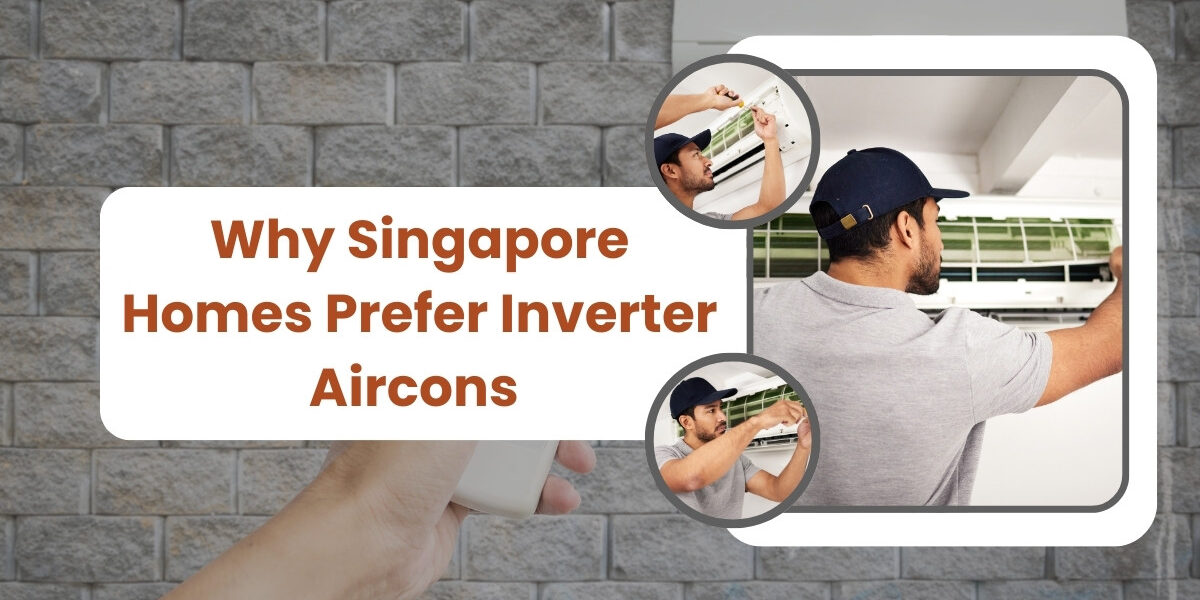
If you live in Singapore, your aircon is probably running most of the day. With temperatures climbing and humidity increasing, families are looking for ways to cool their homes without paying sky-high electricity bills. That’s exactly why inverter aircon systems are becoming the top choice for 2025–26.
But what’s really driving this shift? Is it only about saving money, or are there other benefits that make inverter systems a smarter long-term option? Here’s a breakdown in simple, practical terms so homeowners can understand what’s changing and why it matters.
What Makes Inverter Aircon Systems Different?
Older, non-inverter air conditioners work like a light switch, either running at full power or turning off completely. That stop-start cycle consumes a lot of electricity and causes more wear on the system.
Inverter systems, on the other hand, adjust their speed based on the room’s temperature. Instead of shutting off, the compressor works steadily at the level needed to maintain comfort. This leads to:
- Lower electricity usage
- Smoother, quieter operation
- Less strain on internal components
This is especially useful for Singapore homes where aircon units run for long hours.
Growing Focus on Energy Efficiency in Singapore
With rising energy prices, homeowners are becoming more mindful of overall consumption. Inverter systems typically fall under higher energy efficiency ratings under Singapore’s Minimum Energy Performance Standards (MEPS), which makes them easier to justify for long-term savings.
If you’re planning an upgrade soon, it’s smart to also check installation costs. This guide helps you understand what to expect: How Much Does Aircon Installation Singapore Cost in 2025–26?
Lower Running Costs Without Sacrificing Comfort
Many families switch to inverter systems because they want strong cooling without feeling guilty about switching the unit on all day. Inverter aircons lower electricity costs by running continuously at a controlled speed instead of repeatedly restarting.
This works well in:
- HDB flats with long daily cooling needs
- Condos where rooms retain heat longer
- Landed homes with larger spaces
Pairing inverter units with routine servicing helps maintain efficiency. If you’re unsure when your system needs attention, this guide explains key warning signs: How Do I Know If My AC Needs Servicing in Singapore?
More Reliable Cooling During Hot and Humid Months
Singapore’s humidity isn’t gentle on cooling systems. Non-inverter compressors tend to struggle during peak heat hours because they constantly power on and off. Inverter systems respond more effectively to changing humidity and temperature, giving a stable airflow.
This means fewer instances of:
- Rooms taking too long to cool
- Random warm air blowing
- Ice forming on the evaporator coil
If your current unit cools poorly even after servicing, it might not be a dirt issue. This article breaks down possible causes: Why Your Aircon Isn’t Cooling Even After a Service – Common Problems
Quieter Operation for Apartments and Bedrooms
One major reason families switch to inverter aircons is the noise level. Non-inverter units tend to make a noticeable “kick on” sound whenever the compressor starts again.
Inverter units run continuously at controlled speeds, which means:
- Less vibration
- Fewer sudden noises
- Better sleep, especially in bedrooms
This makes them ideal for homes with infants, older adults, or people working from home.
Longer Lifespan With Fewer Sudden Breakdowns
Aircon systems wear down faster when the compressor constantly starts and stops. Inverter technology reduces that stress, meaning fewer aircon repair in Singapore issues over time.
Homeowners also notice fewer problems like:
- Overheating outdoor units
- Frequent tripping
- Blocked drain issues caused by temperature fluctuation
If your outdoor condenser overheats regularly, this article may help you identify the cause:
Why Is Your Outdoor AC Unit Overheating in Singapore?
Better Compatibility With Smart Home Upgrades
More Singapore Homes are switching to smart home systems in 2025–26, including Wi-Fi controls, automated timers, and energy monitoring. Inverter aircons pair well with these features, allowing:
- Remote on/off controls
- Energy usage tracking
- Smart temperature adjustments
This level of control helps households manage energy and comfort more effectively.
Who Benefits the Most from Inverter Aircons?
While all Singapore homeowners can benefit, inverter systems are especially useful for:
- Families with long daily aircon usage
- Units with multiple rooms running simultaneously
- Homes with poor natural ventilation
- Residents looking to reduce energy bills long-term
- Homes needing frequent cooling during peak humidity
If you’re planning a new installation, make sure to pick the right unit size and avoid common mistakes. This guide helps you navigate the process: Top 7 Mistakes to Avoid When Choosing Aircon Installation Services in Singapore
Final Thoughts: Is Switching to an Inverter System Worth It in 2025–26?
For most Singapore homes, the answer is yes. Between lower electricity bills, quieter performance, and smoother cooling, inverter systems offer long-term comfort and reliability. When paired with regular aircon services, they also maintain their efficiency longer and lead to fewer repairs.
If you ever face emergencies or unexpected breakdowns, options like 24-hour aircon services and professional aircon installation in Singapore support make it easier to keep your home cool throughout the year.
Conclusion (CTA)
If you’re planning to upgrade your system or need guidance choosing the right inverter model for your home, Techtimia Engineering Pte. Ltd is ready to help. Contact the team today for professional installation, servicing, and long-term cooling support.