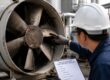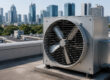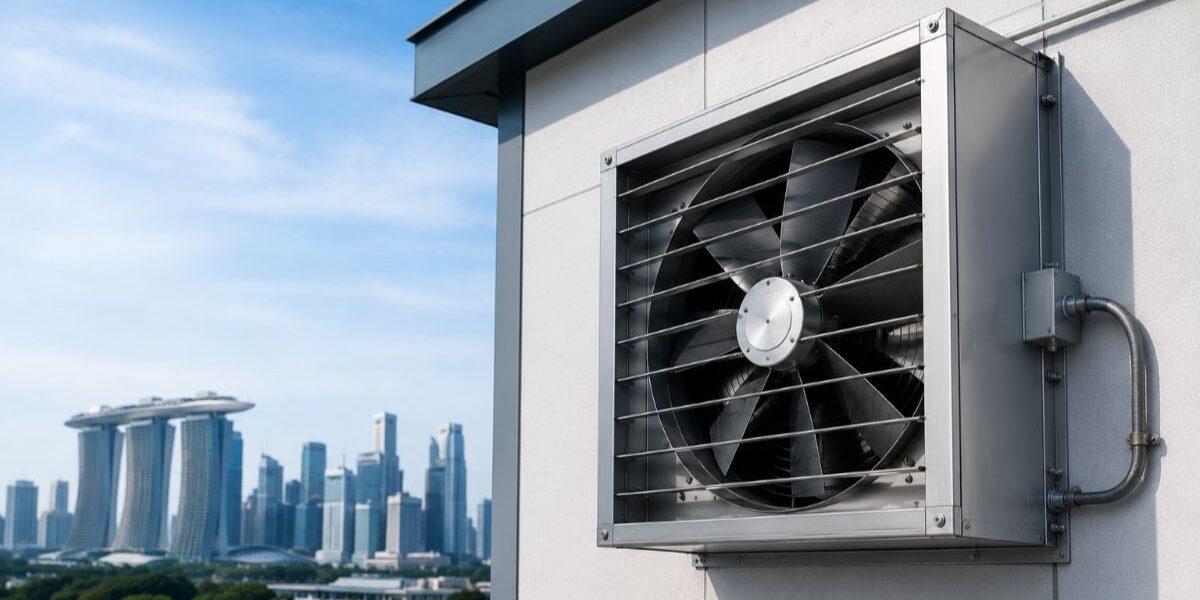
Installing an exhaust fan sounds straightforward until the system starts underperforming.
Many commercial facilities choose a fan based on price or availability, only to realise later that airflow is too weak, energy costs are high, or maintenance access becomes a problem. In some cases, businesses even need a replacement far sooner than expected.
Before moving ahead with exhaust fan installation in Singapore, it helps to evaluate the full operating environment rather than focusing only on the fan itself.
Start with the actual purpose of the fan
Not every facility needs the same type of ventilation.
Ask yourself what the fan is expected to remove:
- heat
- smoke
- moisture
- fumes
- grease
- dust
- stale air
A warehouse dealing with heat buildup has very different requirements compared to a restaurant kitchen or manufacturing facility handling airborne particles.
Choosing the wrong type of fan often leads to poor performance.
Check your building layout
Your building design directly affects ventilation performance.
Ceiling height, room size, duct length, air entry points, and wall placement all influence how effectively an exhaust fan can move air.
A poorly positioned fan may work harder while delivering weaker airflow.
This is why site assessments are often carried out before major exhaust fan installation in Singapore projects.
Understand airflow requirements
One of the most common installation mistakes is choosing a fan that is too small.
Undersized systems struggle to remove heat or contaminated air efficiently. Oversized systems can increase operating costs and create unnecessary noise.
Airflow calculations should match your facility’s daily operational demand.
Consider energy efficiency before installation
Many businesses focus only on installation costs and ignore long-term electricity usage.
An inefficient fan can quietly increase monthly operating costs for years. Modern systems may offer better motor efficiency and improved airflow design.
For larger spaces, some businesses compare exhaust systems with axial fan installation in Singapore options when higher airflow volumes are needed.
Think about future maintenance access
This gets overlooked surprisingly often.
If your fan is installed in a difficult-to-reach location, future servicing becomes slower and more expensive.
Routine maintenance matters for commercial ventilation systems, especially in environments exposed to grease, dust, or moisture.
Businesses that plan for easy access often reduce long-term exhaust fan maintenance in Singapore costs.
Review noise levels
This matters more in some buildings than others.
Office buildings, retail spaces, hotels, and commercial properties may need quieter systems compared to industrial environments.
Installing an overly noisy system can create complaints from staff, tenants, or customers.
Check electrical requirements
The electrical side of installation should never be ignored.
Fan capacity, motor requirements, wiring upgrades, and electrical safety all need proper evaluation before installation.
Electrical work in Singapore should follow requirements regulated by Energy Market Authority.
Understand workplace safety requirements
Certain facilities may need additional ventilation considerations.
Workplace ventilation standards may fall under Ministry of Manpower requirements depending on the environment.
If your ventilation system supports smoke control or fire safety systems, approvals from Singapore Civil Defence Force may also be relevant.
Ask whether repair is still an option
Not every installation project requires full replacement.
If your current system only has minor issues, professional exhaust fan repair in Singapore may still be enough.
A technical inspection can help determine whether replacement is necessary.
Plan for future growth
Will your ventilation demand increase over the next few years?
Businesses expanding production, adding equipment, or increasing occupancy should consider future airflow needs now rather than replacing the system later.
A slightly smarter installation today can prevent major upgrades later.
Final Thoughts
The right exhaust fan installation is about more than simply adding ventilation equipment.
It should support your building layout, operational needs, energy goals, and long-term maintenance plans. Taking time to assess these factors helps businesses avoid expensive mistakes later.
Conclusion
A well-planned ventilation system can improve airflow, reduce operational issues, and support long-term efficiency.
Techtimia Engineering Pte. Ltd helps commercial facilities in Singapore plan ventilation systems that are practical, efficient, and built for long-term performance. Get in touch today.